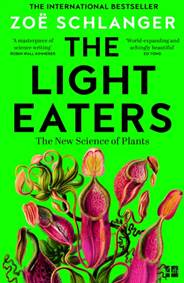
The Light Eaters
Knihu kúpite v
1 e-shope
od
14,20 €
Ak sa vám po kliknutí na tlačidlo "Do obchodu" nezobrazí stránka knihy vo vybranom e-shope, je potrebné vypnúť AdBlock vo vašom prehliadači pre našu stránku.
Návod na vypnutie je napríklad na adrese https://www.sme.sk/dok/20466299/ako-vypnut-adblock-na-sme-sk-whitelist.
Krátky popis
A narrative investigation into the new science of plant
intelligence and sentience, from National Association of Science
Writers Award winner and Livingston Award finalist Zoe Schlanger.
Look at the green organism across the room or through the window:
the potted plant, or the grass, or a tree. Think how a life spent
constantly growing yet rooted in a single spot comes with
tremendous challenges.To meet them, plants have come up with some
of the most creative methods for surviving of any living thing, us
included. Many are so ingenious that they seem nearly impossible.
There is no doubt that plants are important: plants, or their green
precursors the blue-green algae and algae themselves, have produced
all the oxygen in the Earth’s atmosphere, allowing animals to
evolve.But did you know they can communicate when they are being
eaten, allowing nearby plants to bolster their defences. They move
and that movement stops when they are anaesthetised, just like
animals. They also use electricity for internal communication, just
like animals.They can hear the sounds of caterpillars eating, just
like animals. Plants can remember the last time they have been
visited by a bee and how many times they have been visited, so have
a concept of time and can count, just like animals. Plants can not
only communicate with each other, they can also communicate with
other species of plant and animals, allowing them to manipulate
animals to defend or fertilise them.This is unlike most other
animals. So look again at the potted plant, or the grass or the
tree and wonder: Are plants intelligent? Perhaps even more
fundamental is are they conscious?Is the only real difference
between animals and plants that plants are light eaters, animals
aren’t. The Light Eaters will completely redefine how you think of
plants.Packed with the most amazing stories of the life of plants
it will open your eyes to the extraordinary green life forms we
share the planet with. Of course, like animals, plants can also
detect light.
Výber kníh autorov
HarperCollins Publishers ,
Zoe Schlanger





Zobraziť všetky knihy autora
HarperCollins Publishers,
Zoe Schlanger
Výber kníh vydavateľa
Slovart


Zobraziť všetky knihy vydavateľa
Slovart
Naše tipy