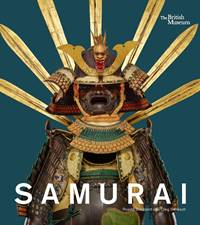
Samurai
Knihu kúpite v
1 e-shope
od
53,15 €
Ak sa vám po kliknutí na tlačidlo "Do obchodu" nezobrazí stránka knihy vo vybranom e-shope, je potrebné vypnúť AdBlock vo vašom prehliadači pre našu stránku.
Návod na vypnutie je napríklad na adrese https://www.sme.sk/dok/20466299/ako-vypnut-adblock-na-sme-sk-whitelist.
Krátky popis
The word ‘samurai’ stands for ideals of courage, honour,
self-sacrifice and loyalty. Yet much of the common understanding is
imaginative fiction. This book explores the concept from medieval
reality, through early modern changes, to today’s hugely varied
popular culture, challenging preconceptions and exploding myths.The
figure of the samurai is unique in its global intelligibility, read
both as a symbol of Japan and as a universal icon of the virtuous
and fearless warrior.Published to accompany a major exhibition at
the British Museum, this is the first book to explore the
centuries-long trajectory of the samurai through objects from
international collections. It discusses the historical origins of
the samurai warrior class in the civil wars of the medieval period
and examines the stories they told of their own achievements. From
the early 1600s, with the establishment of peace, the samurai
became an official class fulfilling a bureaucratic role. The ideal
of the medieval warrior took on legendary status, leading to
endless representations in popular culture of past examples of
heroic valour. As the highest social class, samurai were consumers
of deluxe products and their tastes set the standard for the rest
of society. Political tensions intensified during the 1850s,
culminating in civil war in 1868 and the abolition of the samurai
social class in 1876. With the full opening of Japan to
international visitors, the concept of the samurai was packaged for
foreign tourists and repurposed to provide a model for the modern
soldier in a period of military conflict and colonial expansion.
The image of the samurai has been interpreted and reimagined in
Japan and across the world in myriad ways. Discussions of national
myth and global samurai bring the story up to the present day
through a broad selection of films, television shows, manga, anime,
video games and much more.




Výber kníh vydavateľa
Slovart

Zobraziť všetky knihy vydavateľa
Slovart
Naše tipy