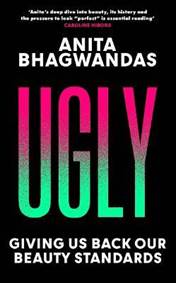
Ugly
Knihu kúpite v
2 e-shopoch
od
15,15 €
Ak sa vám po kliknutí na tlačidlo "Do obchodu" nezobrazí stránka knihy vo vybranom e-shope, je potrebné vypnúť AdBlock vo vašom prehliadači pre našu stránku.
Návod na vypnutie je napríklad na adrese https://www.sme.sk/dok/20466299/ako-vypnut-adblock-na-sme-sk-whitelist.

Krátky popis
'Ugly is not only a must read, it's an urgent read' - Farrah Storr
'This book unravels what we think we know about beauty' - Poora
Bell Where did the word 'pretty' come from? Why do we shave our
armpits? When did cosmetic surgery move from being functional to
aesthetic? When did tanned skin become idealised? When did
'anti-ageing' slogans make us fear getting older? After years of
feeling 'ugly' despite a successful career in the beauty industry,
journalist Anita Bhagwandas grew tired of a world where it is
desirable to be skinny but curvy, light-skinned but not too pale,
and glamorous but natural. As beauty trends fluctuate and self-care
becomes expensive, it's increasingly hard to keep up. Social media
preaches 'you do you' and 'love yourself first', but unattainable
dominant beauty standards continue to reign.The reality remains
true: on most days, it can be hard to feel beautiful. Or even just
'not ugly.' So what is beauty, exactly? Where did it come from?
And, most importantly, who gets to define it? Ugly is a compelling
exposé and a campaign against the ideals that are sold to us daily
so we never feel enough. Because it's only when we really
interrogate the origins of 'ugly', that we can truly begin to break
free.READERS LOVE UGLY:***** 'Fascinating dive into the history of
beauty'***** 'Reading this book has shifted how I think about both
myself and others'***** 'I thought I was reasonably well informed
about the subject but there was so much I had no idea about'*****
'A very important must read for women of all ages. Now going to buy
copies for each of my three daughters' ***** 'Emotional and funny,
as well as hugely enlightening and inspiring'
Výber kníh autorov
Blink Publishing ,
Anita Bhagwandas







Zobraziť všetky knihy autora
Blink Publishing,
Anita Bhagwandas
Výber kníh vydavateľa
Slovart
Zobraziť všetky knihy vydavateľa
Slovart
Naše tipy