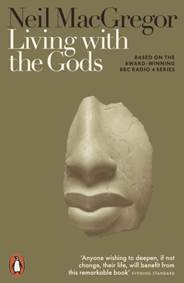
Living with the Gods : On Beliefs and Pe
Knihu kúpite v
1 e-shope
od
20,84 €
Ak sa vám po kliknutí na tlačidlo "Do obchodu" nezobrazí stránka knihy vo vybranom e-shope, je potrebné vypnúť AdBlock vo vašom prehliadači pre našu stránku.
Návod na vypnutie je napríklad na adrese https://www.sme.sk/dok/20466299/ako-vypnut-adblock-na-sme-sk-whitelist.
Krátky popis
Following the award-winning BBC Radio 4 series, a panoramic
exploration of peoples, objects and beliefs from the celebrated
author of A History of the World in 100 Objects and
Germany'Riveting, extraordinary ... tells the sweeping story of
religious belief in all its inventive variety. The emphasis is not
on our differences, but on shared spiritual yearnings' Rachel
Campbell-Johnston, The Times, Books of the YearOne of the central
facts of human existence is that every society shares a set of
beliefs and assumptions - a faith, an ideology, a religion - that
goes far beyond the life of the individual.These beliefs are an
essential part of a shared identity. They have a unique power to
define - and to divide - us, and are a driving force in the
politics of much of the world today. Throughout history they have
most often been, in the widest sense, religious.Yet this book is
not a history of religion, nor an argument in favour of faith. It
is about the stories which give shape to our lives, and the
different ways in which societies imagine their place in the world.
Looking across history and around the globe, it interrogates
objects, places and human activities to try to understand what
shared beliefs can mean in the public life of a community or a
nation, how they shape the relationship between the individual and
the state, and how they help give us our sense of who we are.For in
deciding how we live with our gods, we also decide how to live with
each other. 'The new blockbuster by the museums maestro Neil
MacGregor ... The man who chronicles world history through objects
is back ...examining a new set of objects to explore the theme of
faith in society' Sunday Times
Výber kníh autora
neuvedený autor







Zobraziť všetky knihy autora
neuvedený autor
Výber kníh vydavateľa
Slovart
Zobraziť všetky knihy vydavateľa
Slovart
Naše tipy