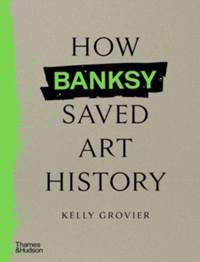
How Banksy Saved Art History
Knihu kúpite v
1 e-shope
od
31,30 €
Ak sa vám po kliknutí na tlačidlo "Do obchodu" nezobrazí stránka knihy vo vybranom e-shope, je potrebné vypnúť AdBlock vo vašom prehliadači pre našu stránku.
Návod na vypnutie je napríklad na adrese https://www.sme.sk/dok/20466299/ako-vypnut-adblock-na-sme-sk-whitelist.
Krátky popis
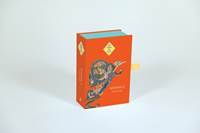
A new take on the history of art as parodied, reinterpreted and
ultimately reinforced by the international phenomenon that is
Banksy. Few would dispute that Banksy is the most famous urban
artist in the world today. That he is also one of the most
perceptive art historians of our age might come as a surprise to
many.Taken together, the myriad memorable works the street artist
has created over the course of the past thirty years, since his
emergence in the Bristol underground scene in the early 1990s,
constitute an audacious commentary on the history of image-making –
a captivating critique waiting to be pieced together. Armed with
little more than stencils, spray paint and an anonymizing cloak of
after-hours darkness, Banksy has forged an alluring identity for
himself as an incorrigible prankster who doesn’t embrace tradition,
but shreds it. Consider Banksy and you think of grubby city walls
far removed from elite galleries and privileged museums where art
is conventionally shown.What actually illuminates Banksy’s
audacious murals, impromptu urban sculptures and vandalized
paintings, however, is a profound understanding of the story of
art. He wields this secret knowledge like a weapon against our
senses. Through the dark satirical lens of Banksy’s mischievous
reimagined masterpieces, art history is viewed afresh and brought
into unexpected focus.From his droll lampooning of the Lascaux cave
paintings to his reinvention of Monet’s enchanting water-lily pond,
a reboot of Géricault’s tragic gut-wrenching vision to Vermeer's
girl now instilled with street cred, everyone’s genius is grist for
his unmerciful mill. Far from being diminished in their
significance, however, the works that Banksy ruthlessly parodies
are ultimately refurbished by the ordeal. Banksy’s iconoclastic
works force us to rethink our affection for, and appreciation of,
great works of art that define cultural history.
Výber kníh autorov
Thames & Hudson Ltd ,
Kelly Grovier




Zobraziť všetky knihy autora
Thames & Hudson Ltd,
Kelly Grovier
Výber kníh vydavateľa
Slovart

Zobraziť všetky knihy vydavateľa
Slovart
Naše tipy