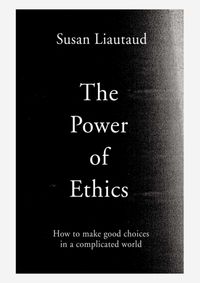
Power of Ethics
Knihu kúpite v
1 e-shope
od
17,58 €
Ak sa vám po kliknutí na tlačidlo "Do obchodu" nezobrazí stránka knihy vo vybranom e-shope, je potrebné vypnúť AdBlock vo vašom prehliadači pre našu stránku.
Návod na vypnutie je napríklad na adrese https://www.sme.sk/dok/20466299/ako-vypnut-adblock-na-sme-sk-whitelist.
Krátky popis
In today's world, ethics can be complicated and its boundaries
blurred. Should businesses go beyond their legal obligations?
Should a radical thinker with an extremist following be invited to
defend their position alongside more mainstream public figures?
Should historical statues be taken down if the people they
memorialise have fallen out of fashion? Is it ok for athletes to
take any kind of supplements to enhance their performance? Should
technological innovators be forced to slow down in order that
policy makers - and the media - have time to predict, debate and
mitigate the (ethical) consequences of innovations such as facial
recognition, voice activation, and driverless cars? Is censorship
ever justified? Can you still enjoy and appreciate the art if the
artist has been proved to be highly unethical? These things are
often not black and white and so this accessible guide, written by
a world class ethics professor, is for anyone interested in gaining
a better understanding of ethical dilemmas and who wants to learn
how to apply ethical standards to their own decision-making. Using
real-life examples, Professor Liautaud sets out her framework for
ethical decision-making which can be applied in all areas of life,
including in business.Learn how institutional power structures and
the classic pillars of ethical decision making, such as informed
consent and transparency, are being challenged (think Big Data).
Consider the unforeseen ethical consequences that innovations can
have on humanity (drones, for example), and the normalisation of
alternative facts and the contagious spread of misinformation -
such as seen in the vaccine hoax. Using historical examples, Dr
Liautaud will provide the reader with the tools to better integrate
ethics into our everyday thought and behaviour.
Výber kníh autora
neuvedený autor







Zobraziť všetky knihy autora
neuvedený autor
Výber kníh vydavateľa
Slovart
Zobraziť všetky knihy vydavateľa
Slovart
Naše tipy