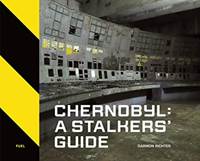
Chernobyl: A Stalkers’ Guide
Knihu kúpite v
1 e-shope
od
29,93 €
Ak sa vám po kliknutí na tlačidlo "Do obchodu" nezobrazí stránka knihy vo vybranom e-shope, je potrebné vypnúť AdBlock vo vašom prehliadači pre našu stránku.
Návod na vypnutie je napríklad na adrese https://www.sme.sk/dok/20466299/ako-vypnut-adblock-na-sme-sk-whitelist.
Krátky popis
Drawing on unprecedented access to the Chernobyl Exclusion
Zone--including insights gained while working as a tour guide and
during an illegal ",stalker", hike--Darmon Richter creates an
entirely new portrait of Chernobyl's forgotten ghost towns,
monuments and moreSince the first atomic bomb was dropped,
humankind has been haunted by the idea of nuclear apocalypse. That
nightmare almost became reality in 1986, when an accident at the
USSR's Chernobyl Nuclear Power Plant triggered the world's worst
radiological crisis. The events of that night are well
documented--but history didn't stop there. Chernobyl, as a place,
remains very much alive today. More than a quarter of a million
tourists visited the Zone over the last few years, while millions
more watched the acclaimed 2019 HBO mini-series Chernobyl. In
Chernobyl: A Stalkers' Guide, researcher Darmon Richter journeys
into the contemporary Exclusion Zone, venturing deeper than any
previously published account. While thousands of foreign visitors
congregate around a handful of curated sites, beyond the tourist
hotspots lies a wild and mysterious land the size of a small
country. In the forests of Chernobyl, historic village settlements
and Soviet-era utopianism have lain abandoned since the time of the
disaster--overshadowed by vast, unearthly megastructures designed
to win the Cold War. Richter combines photographs of discoveries
made during his numerous visits to the Zone with the voices of
those who witnessed history--engineers, scientists, police and
evacuees. He explores evacuated regions in both Ukraine and
Belarus, finding forgotten ghost towns and Soviet monuments lost
deep in irradiated forests, gains exclusive access inside the most
secure areas of the power plant itself, and joins the ",stalkers",
of Chernobyl as he sets out on a high-stakes illegal hike to the
heart of the Exclusion Zone.
Výber kníh autora
neuvedený autor



Zobraziť všetky knihy autora
neuvedený autor
Výber kníh vydavateľa
Slovart

Zobraziť všetky knihy vydavateľa
Slovart
Naše tipy